Homework — Workshop 11
A. Four cadences
Practice:
Dm7-G7-C
Dm7-G7♭9-C
Dm7-D♭7-C
Fm7-B♭7-C
Compare by ear.
B. Melody-as-extension
Hold one melody note and play all four cadences beneath it.
Identify its function over every chord.
C. Chromatic bass
Create a 6-note descending bass line.
Harmonize it two different ways.
D. Inner line
Keep bass fixed.
Create a four-note chromatic inner voice.
Use as few chord changes as possible.
E. Altered dominant
Create three G7 voicings:
- G7♭9
- G7♭13
- G7♯9
Resolve each to C.
Hear the difference.
F. Tritone substitution
Practice:
Dm9 → D♭13 → Cmaj9
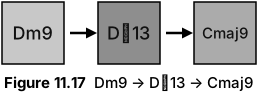
in C, F, and B♭.
G. Structural reduction
Take a reharmonized 8-bar phrase.
Write the structural chords only.
Remove passing chords.
Make sure the skeleton still works.
H. Melody projection
Play one heavily chromatic phrase while keeping the melody clearly louder than every inner note.
Record.
I. Editing exercise
Create a very rich reharmonization.
Then remove one-third of the changes.
Choose which version is stronger.
J. Complete arrangement
Include:
- simple first statement
- one chromatic bass line
- one altered dominant
- one tritone substitution or backdoor cadence
- one inner counter-line
- clear climax
- sparse ending
The goal is not maximum chromaticism.
The goal is controlled chromaticism.